
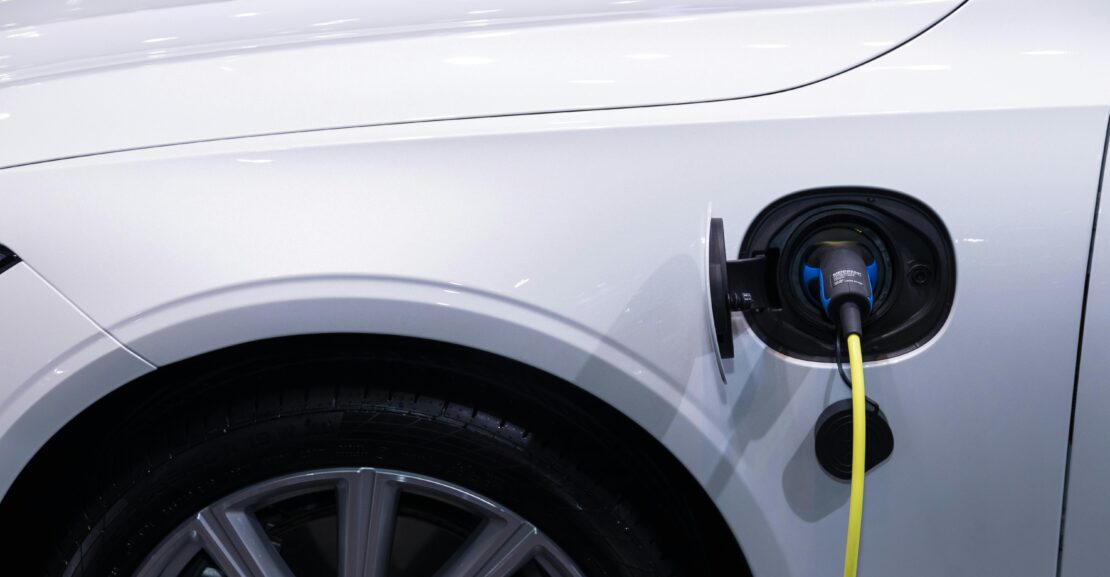
Electric vehicles (EVs) have rapidly evolved from niche products to mainstream transportation options, playing a crucial role in the shift towards sustainable and eco-friendly mobility. With advancements in technology, the market now offers a variety of EVs catering to different needs and preferences. This article explores the different types of electric vehicles, highlighting their unique features and benefits.
1. Battery Electric Vehicles (BEVs)
Battery Electric Vehicles (BEVs) are fully electric vehicles that rely solely on electric power stored in a battery pack. They have no internal combustion engine (ICE) and produce zero tailpipe emissions. BEVs are charged by plugging into an external power source, such as a home charger or public charging station.
Key Features:
- Zero Emissions: BEVs produce no tailpipe emissions, contributing to reduced air pollution and a lower carbon footprint.
- Quiet Operation: Without an ICE, BEVs offer a quiet and smooth driving experience.
- Instant Torque: Electric motors provide instant torque, resulting in quick acceleration.
- Low Maintenance: BEVs have fewer moving parts compared to ICE vehicles, leading to lower maintenance costs.
Examples:
- Tesla Model 3
- Nissan Leaf
- Chevrolet Bolt EV
2. Plug-in Hybrid Electric Vehicles (PHEVs)
Plug-in Hybrid Electric Vehicles (PHEVs) combine an electric motor with an internal combustion engine. They can operate in electric-only mode for a certain distance before the ICE kicks in, providing additional range. PHEVs can be charged via an external power source and refueled at gas stations.
Key Features:
- Extended Range: The combination of an electric motor and an ICE allows PHEVs to travel longer distances without needing to recharge frequently.
- Fuel Flexibility: PHEVs can run on electricity, gasoline, or a combination of both, offering flexibility in fuel usage.
- Reduced Emissions: When operating in electric mode, PHEVs produce zero tailpipe emissions.
Examples:
- Toyota Prius Prime
- Ford Fusion Energi
- Mitsubishi Outlander PHEV
3. Hybrid Electric Vehicles (HEVs)
Hybrid Electric Vehicles (HEVs) use both an internal combustion engine and an electric motor, but unlike PHEVs, they cannot be plugged in to charge. The electric motor assists the ICE, and the battery is recharged through regenerative braking and the ICE itself.
Key Features:
- Improved Fuel Efficiency: HEVs typically offer better fuel efficiency compared to conventional ICE vehicles.
- Reduced Emissions: The electric motor reduces the load on the ICE, leading to lower emissions.
- No Charging Required: HEVs do not require external charging, making them convenient for users without access to charging infrastructure.
Examples:
- Toyota Prius
- Honda Accord Hybrid
- Hyundai Sonata Hybrid
4. Extended Range Electric Vehicles (EREVs)
Extended Range Electric Vehicles (EREVs) are a subset of PHEVs with a larger battery pack that allows for longer electric-only driving. Once the battery is depleted, an ICE acts as a generator to produce electricity and extend the vehicle’s range.
Key Features:
- Long Electric Range: EREVs can cover significant distances on electric power alone before the ICE is needed.
- Reduced Range Anxiety: The ICE generator provides peace of mind by extending the range when the battery is low.
- Electric Driving Experience: EREVs offer an electric driving experience for most daily commutes, with the ICE only used as a backup.
Examples:
- Chevrolet Volt
- BMW i3 REx
5. Fuel Cell Electric Vehicles (FCEVs)
Fuel Cell Electric Vehicles (FCEVs) use hydrogen gas to produce electricity through a chemical reaction in a fuel cell stack. The electricity then powers the electric motor, and the only byproduct is water vapor. FCEVs can be refueled with hydrogen at dedicated refueling stations.
Key Features:
- Zero Emissions: FCEVs emit only water vapor, making them an environmentally friendly option.
- Quick Refueling: Hydrogen refueling takes a few minutes, similar to conventional gasoline vehicles.
- Long Range: FCEVs offer a range comparable to that of traditional ICE vehicles.
Examples:
- Toyota Mirai
- Hyundai Nexo
- Honda Clarity Fuel Cell
Conclusion
The landscape of electric vehicles is diverse, offering a range of options to suit different driving needs and preferences. From fully electric BEVs to hydrogen-powered FCEVs, each type of EV brings unique advantages in terms of sustainability, efficiency, and convenience. As technology continues to advance, the adoption of electric vehicles is expected to grow, paving the way for a greener and more sustainable future in transportation.